
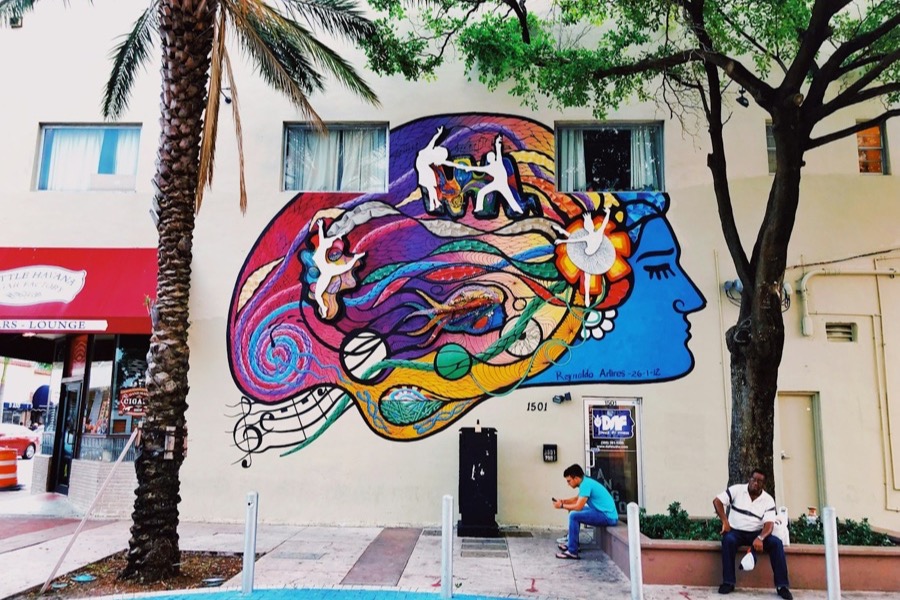
In Miami, Spanish is not a segment. It is the street.
Walk into almost any café in Miami and you will hear English, Spanish and the mix of both that the city actually speaks. Yet many local brands still market in English only, or paste a translation underneath as an afterthought. Customers notice the difference between being spoken to and being translated at.
Decide what bilingual means for you
There is no single right answer. There is only a choice you make on purpose.
- Fully bilingual: everything in both languages. Right for businesses whose customers split close to evenly.
- English-first with Spanish where it matters: menus, booking, pricing, FAQs, customer service. Right for many.
- Spanish-first: if that is who walks through your door, lead with it.
Whatever you choose, apply it consistently. A Spanish post followed by an English-only booking page is a dead end.
Write it, do not translate it
Literal translation produces Spanish that is technically correct and emotionally flat. Good bilingual copy is written in each language, by someone who speaks it natively, with the same idea rather than the same words.
- Use the Spanish your customers use. Miami Spanish draws from Cuba, Venezuela, Colombia, Puerto Rico, Argentina and more. Neutral, warm and clear works best for a broad audience; save the very local slang for when you know who you are talking to.
- Watch words that change meaning between countries. A word that is harmless in one country can be awkward in another. A native reviewer catches these in seconds.
- Keep the brand voice. If you are playful in English, be playful in Spanish. Spanish copy often ends up stiffer and more formal by accident.
- Never publish machine translation unedited. Use tools for a first draft if you like, then have a person rewrite it.
Social media: three formats that work
- Separate posts. One in each language, each written natively. Most work, cleanest result.
- Bilingual captions. English first, then Spanish (or the reverse), separated clearly. Keep both short.
- Spanglish on purpose. In video especially, the natural mix can feel the most Miami of all. It only works when it is authentic to the person on camera.
On-screen text in reels should usually stay in one language per video, so the screen does not get crowded.
The parts people forget
- Website: a real Spanish version of key pages, with a visible language toggle, not a widget that machine-translates everything.
- Google Business Profile: mention that you speak Spanish, and reply to Spanish reviews in Spanish.
- Messaging: if you invite people to WhatsApp you, someone needs to answer in Spanish. More in WhatsApp Is Miami's Real Marketing Channel.
- In person: a "Hablamos español" sign at the counter does more than any campaign if the person behind it does.
Creators and community
Bilingual creators often reach audiences an English-only campaign never touches. Look for creators whose audiences are local, then let them speak the way they naturally speak to their followers. Cultural moments matter too; our Hispanic Heritage Month piece covers how to take part without pandering.
The bottom line
Choose your bilingual approach on purpose, write natively in each language, and make sure every step after the post (website, booking, messages, counter) speaks the same language the post did. In Miami, that is not extra work. It is the job.
Want bilingual content that sounds like Miami? Let's talk.